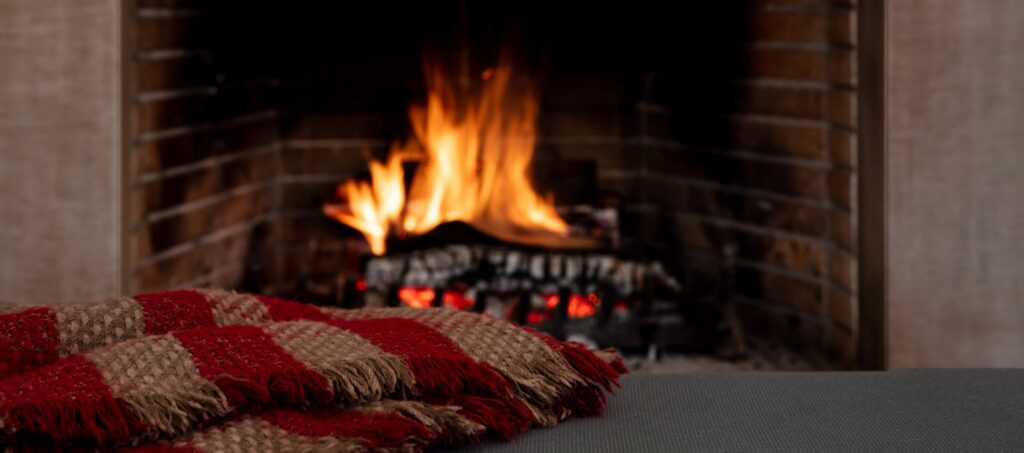
There’s nothing quite like falling asleep to the soft glow of a fire on a chilly South Jersey night. But is it actually safe to leave a fire burning overnight? It’s one of the most common questions homeowners ask us, especially once the colder weather settles in. Before you head to bed, it helps to understand what’s happening in your fireplace and chimney after the flames die down, and why a clean, professionally swept chimney is your first line of defense.
The short answer for an open, wood-burning fireplace is no. Here’s why, plus a few simple steps to wind down your fire safely at the end of the night.
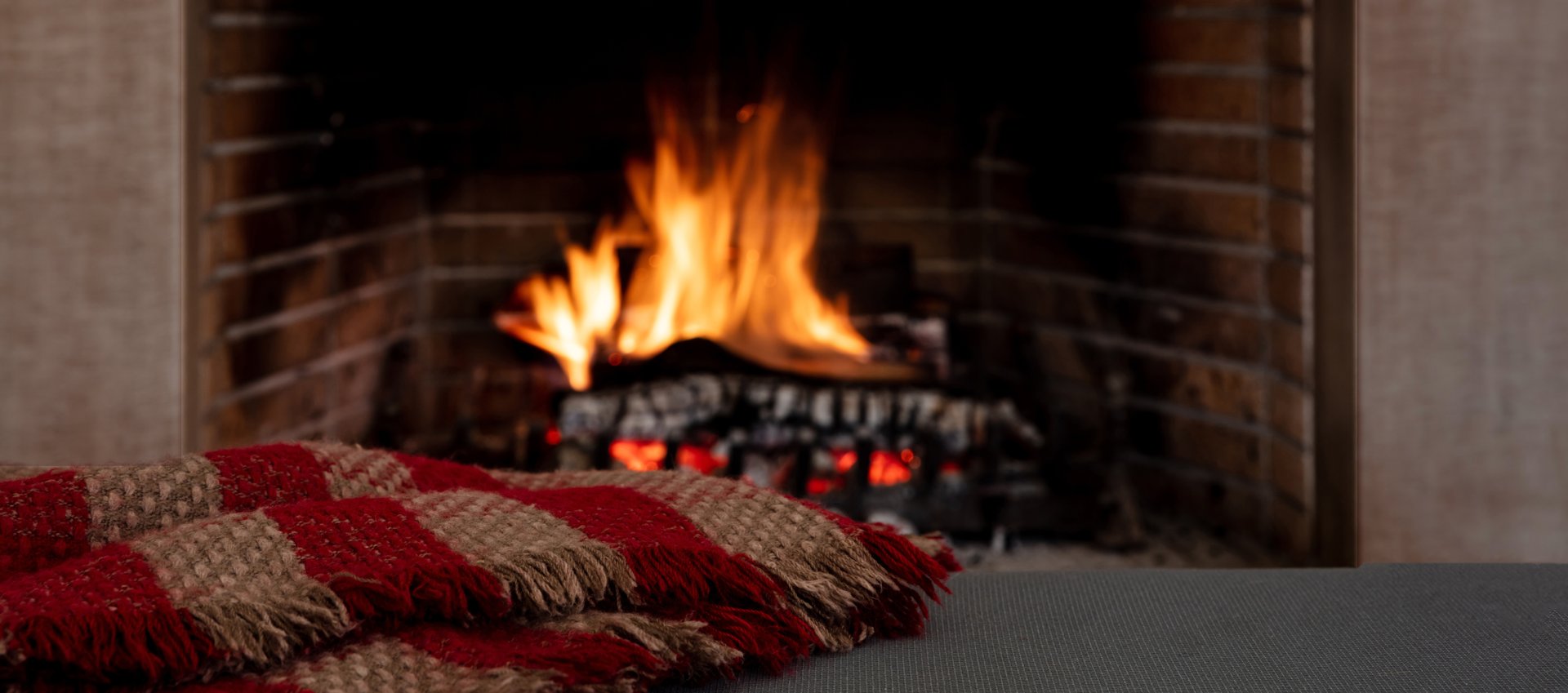
Is It Safe to Leave a Fire Burning in the Fireplace Overnight?
For a traditional open fireplace, the safest practice is to make sure the fire is completely out before you go to sleep or leave the house. The National Fire Protection Association (NFPA) advises homeowners never to leave a fire unattended and to put the fire out before going to bed.
An unattended fire can shift as logs burn and settle. A log can roll forward, embers can pop past a screen, or a flare-up can send sparks up the flue. When everyone is asleep, nobody is there to catch a small problem before it becomes a big one.
What Are the Risks of Leaving a Fire Unattended?
Escaping Embers and Sparks
Wood naturally pops and crackles as pockets of moisture and sap heat up. Without a sturdy screen or closed glass doors, a single ember can land on a rug, furniture, or nearby décor.
Carbon Monoxide
As a fire dies down, it often smolders. Smoldering fires burn less efficiently and can produce more carbon monoxide (CO). If the damper is closed too early, or if the chimney isn’t drafting well, that CO can drift back into your living space. Working CO alarms on every level of your home and outside sleeping areas are a must.
Creosote and Chimney Fires
Low, smoky, smoldering fires send cooler smoke up the flue. That smoke condenses into creosote, a flammable residue that builds up on the chimney walls. The more creosote you have, the greater the risk of a chimney fire.
Can I Close the Damper While Embers Are Still Glowing?
No. Keep the damper open until the fire is completely out and the ashes are cool. Closing it early traps smoke and carbon monoxide inside your home. If you’re worried about losing warm air up the chimney overnight, glass doors can help. Closing the doors on a dying fire limits the flow of room air up the flue while still letting smoke vent. If your fireplace doesn’t have doors yet, our team handles fireplace glass door installation.
How Do I Put Out a Fireplace Fire Before Bed?
Planning ahead makes the end of the night easier. Stop adding wood about an hour before you plan to turn in so the fire can burn down naturally. Then:
- Use a fireplace poker to spread out the remaining logs and embers so they cool faster.
- Cover the embers with a layer of ash, or sprinkle a small amount of baking soda over them to help smother the heat.
- Avoid dumping water on the fire. It creates a burst of steam and smoke, can make a mess, and may damage a hot firebox.
- Close the screen or glass doors and leave the damper open.
- Check that no flames or glowing embers remain before you head upstairs.
How Long Do Fireplace Ashes Stay Hot?
Longer than most people expect. Ashes and buried coals can stay hot enough to start a fire for several days. When you clean out the firebox, scoop ashes into a metal container with a tight-fitting lid, and store it outside on a non-combustible surface away from your home, deck, and anything that can burn. Never put ashes in a paper bag, cardboard box, or plastic trash can.
What About Wood Stoves and Inserts?
Wood stoves and fireplace inserts are a different story than open fireplaces. Many are designed for longer, controlled burns, with tight-sealing doors and air controls that regulate the fire. Even so, always follow the manufacturer’s instructions for overnight use, and never leave the door open while the stove is running. If you’d like a heating appliance that’s better suited to long, steady burns, ask us about wood-burning stoves and inserts.
Also, avoid choking a stove’s air supply all the way down to “make it last.” A starved, smoldering fire produces more creosote, which is exactly what you don’t want building up in your flue.
Is a Gas Fireplace Safe to Leave On Overnight?
Gas fireplaces don’t throw embers, but they still need to be used as the manufacturer intends. Many manufacturers recommend turning a gas fireplace off when you go to sleep or leave home, and vent-free units in particular are typically not meant to run while you sleep. Check your owner’s manual, keep CO alarms working, and have the unit serviced every year.
How Can I Make Every Fire Safer This Winter?
Good habits go a long way, but your chimney system has to be in good shape, too. Here are a few steps that help:
- Burn only dry, seasoned hardwood. Wet wood creates more smoke and creosote.
- Keep a sturdy screen or glass doors in front of the fire.
- Keep rugs, furniture, stockings, and décor at least three feet from the hearth.
- Test smoke and CO alarms monthly.
- Schedule an annual chimney inspection, as recommended by NFPA 211 and the Chimney Safety Institute of America.
If you’re not sure what shape your flue is in, a chimney video inspection lets our technicians see cracks, gaps, and buildup that aren’t visible from the firebox.
Want peace of mind before your next cozy night by the fire? Mason’s Chimney Service helps homeowners in Cherry Hill, Vineland, and across South Jersey keep their fireplaces clean and safe. Schedule your chimney sweeping and inspection today.